Jiu‑Jitsu gi sizes differ across brands. Sanabul runs larger, while others follow a standard A0‑A5 chart. Women’s and kids’ cuts adjust proportions for comfort and mobility. Choosing the right size ensures proper fit and performance. Adjust cuff and sleeve.!!
Brand-Specific Sizing Differences
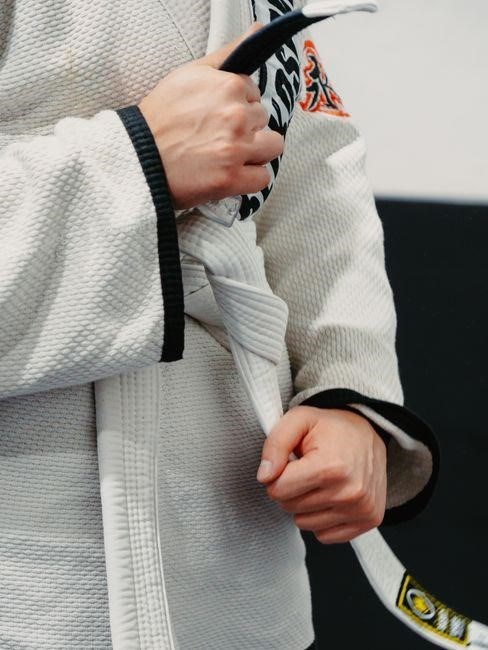
Brands like Hayabusa, Venum, and Tatami Sports have sizing differences. Hayabusa uses a chest profile, Venum’s “Athletic” line and Tatami offers a “Classic” cut similar to Sanabul’s larger sizing shoulders. Because of these nuances, a Venum A2 may feel tighter than a Sanabul A2 yet than a Gold BJJ A2. Practitioners often order a size above their usual fit and adjust based on sleeve, collar, and hip feel. Brands provide an option to bridge the gap without tailoring.!!
Standard Unisex Size Chart (A0-A5)
Gold BJJ’s unisex chart spans A0 to A5, covering most adult athletes. Each size corresponds to a height and weight range that balances sleeve length, collar width, and hip circumference. For example, A0 fits 5’0”‑5’4” and 110‑125 lb; A1 covers 5’4”‑5’8” and 125‑140 lb; A2 matches 5’8”‑6’0” and 140‑155 lb; A3 is 6’0”‑6’2” and 155‑170 lb; A4 fits 6’2”‑6’4” and 170‑185 lb; A5 accommodates 6’4”‑6’6” and 185‑200 lb. These ranges are guidelines; actual fit may vary by brand. When selecting a size, consider your own measurements and the brand’s fit guide. Always check the specific gi’s sleeve length and collar width for optimal comfort and performance.!! The chart’s sleeve length ranges from 32 to 38 inches, while hip measurements span 30 to 36 inches across sizes. A0 typically has a 32‑inch sleeve and 30‑inch hip, A1 33‑inch sleeve and 31‑inch hip, and so on. These dimensions help ensure that the gi’s collar sits comfortably at the neck and the sleeves reach the wrist without excess fabric. For athletes with broader shoulders or taller frames, the larger sizes provide additional room in the chest and arm area, reducing restriction during grappling. Conversely, smaller sizes offer a snug fit that can enhance control and stability on the mat. Always compare your personal measurements to the chart before ordering, and if you fall between sizes, consider the brand’s fit guide or contact customer support for advice. If uncertain, many retailers offer free returns or exchanges for a perfect fit and support.
Women’s and Kids’ Cut Options
Gold BJJ’s women’s cut tailors the gi to a narrower chest and hips, offering a more fitted silhouette that enhances mobility for female practitioners. The cut reduces the overall width by 2–3 inches compared to the unisex model, while maintaining the same sleeve length. Sizes range from A0 to A5, with women’s A3 typically fitting a height of 5’6”‑5’9” and a weight of 140‑155 lb. The collar is slightly slimmer, and the waist is cinched to create a streamlined look. Kids’ cuts are scaled down, featuring shorter sleeves (30–32 inches) and a tighter hip measurement (28–30 inches). They are available in A0‑A3, matching child heights from 4’ to 5’4”. The fabric is lighter, and the stitching is reinforced for durability. Both cuts keep the same high‑density cotton blend, ensuring breathability and resistance to wear. When choosing a women’s or kids’ gi, compare your body measurements to the brand’s specific chart, and consider the intended training intensity. The women’s cut offers a more tailored fit that can improve control, while the kids’ cut provides a comfortable, secure fit for younger athletes. If you’re still unsure after reviewing the chart, retailers offer chat to help you choose the best size for your body type and training goals now again today! Remember, a nice gi not only feels comfortable but enhances performance, allowing you to focus on technique rather than adjusting your gear during training.!!
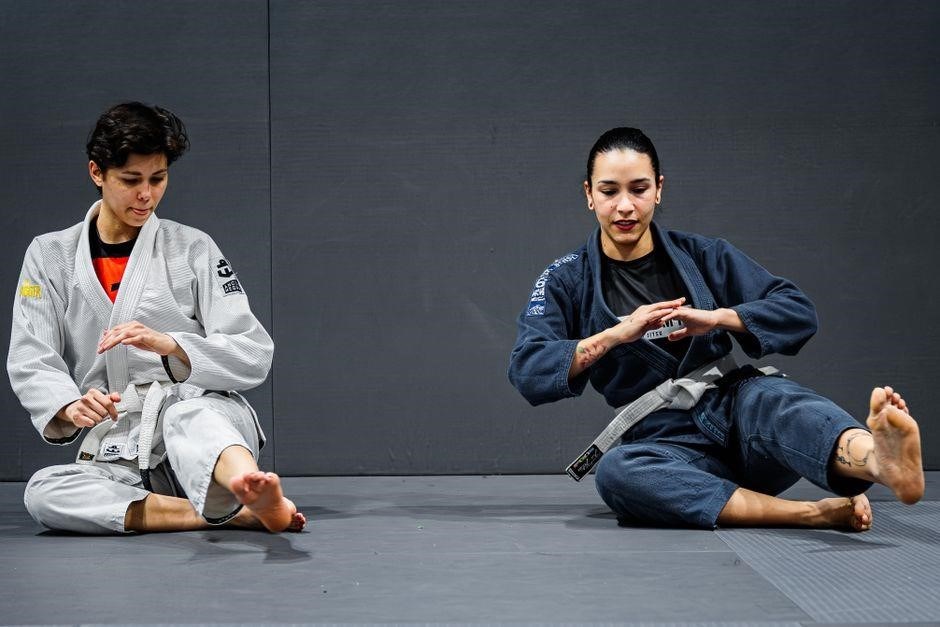
Measuring for the Perfect Fit
Use your height and weight to find the right Gi size. Sanabul’s chart maps 5’0”‑5’6” to A0, 5’7”‑6’0” to A1, 6’1”‑6’4” to A2, 6’5”‑6’8” to A3, 6’9”‑7’0” to A4, 7’1”‑7’4” to A5. Measure chest, waist, hips, and sleeve length for accuracy. Fit well. Use chart. size.!
Height and Weight Guidelines
When selecting a gi, height and weight are the primary metrics that determine the correct size. Sanabul’s unique sizing system maps specific height ranges to corresponding weight brackets, ensuring a balanced fit that accommodates both the torso and limbs. For example, a practitioner who stands 5’0” to 5’6” and weighs between 110–125 lbs should choose an A0. Those measuring 5’7” to 6’0” with a weight of 126–140 lbs fit best in an A1. The 6’1” to 6’4” range, paired with 141–155 lbs, corresponds to an A2. For heights 6’5” to 6’8” and weights 156–170 lbs, the A3 is recommended. The 6’9” to 7’0” bracket, with a weight of 171–185 lbs, aligns with an A4, while 7’1” to 7’4” and 186–200 lbs should opt for an A5. These guidelines are derived from extensive testing and customer feedback, ensuring that each size provides adequate coverage and freedom of movement. It is essential to measure both height and weight accurately before ordering, as miscalculations can lead to a gi that is either too loose or too restrictive. If you find yourself between two sizes, lean toward the larger size to avoid a cramped fit, especially if you anticipate washing and drying, which can slightly alter dimensions. Always double‑check the chart and consider contacting customer support for personalized advice. A well‑fitted gi enhances performance, reduces distractions, and promotes confidence on the mat. Remember to account for any additional gear or protective padding that may increase your overall weight when determining the final size. Go!!!
Body Measurements for Tailored Fit
To achieve a gi that feels like a second skin, start by taking precise body measurements. Use a soft tape measure and follow these steps:
- Chest: Wrap the tape around the fullest part of the chest, keeping it horizontal. Record the value in inches.
- Waist: Measure at the natural waistline, just above the belly button. Ensure the tape is snug but not tight.
- Hip: At the widest point of the hips, wrap the tape and note the reading.
- Inseam: From the crotch seam to the bottom of the pant leg, measure the inseam length. This determines the overall length of the gi pants.
- Sleeve Length: With the arm slightly bent, measure from the shoulder seam to the wrist bone. This helps set the sleeve cut.
- Cuff Position: After the gi is worn, check the cuff against the wrist bone. It should sit within 1.5–2 inches from the bone for optimal performance.
Compare each measurement to Sanabul’s special size chart. If any single dimension falls outside the recommended range, consider ordering a size that accommodates the largest discrepancy. A slightly oversized gi can be tailored later, but an undersized one will restrict movement and compromise technique. Always double‑check your numbers, as a misread can lead to a fit that feels too loose or too tight. A well‑fitted gi enhances mobility, reduces friction, and boosts confidence on the mat. Stay sharp! Keep going!
Using the Sanabul Special Size Chart
Sanabul’s sizing deviates from most brands, so checking the dedicated chart is essential. The chart lists height ranges in feet and inches, weight ranges in pounds, and corresponding gi sizes (A0–A5). For example, a person who is 5’6” and weighs 140 lb should select size A2. The chart also notes that the gi runs larger than traditional styles, allowing for washing and drying variations. If your height and weight fall between two sizes, choose the larger one to avoid a too‑tight fit. After ordering, try on the gi and verify the cuff sits 1.5–2 inches from the wrist bone; if it’s more than 3 inches away, the size is too large, and you should reorder a smaller size. Conversely, if the cuff is less than 1.5 inches from the wrist bone, the gi is too short, and a larger size is recommended. Always follow the fit guide for washing instructions based on cuff length. Contact Sanabul support if you’re unsure about the size selection.
The chart also includes a note that the gi’s cuff length is a key indicator of fit. A cuff that sits 1.5–2 inches from the wrist bone is considered ideal, while a cuff more than 3 inches away signals a size that is too large. Conversely, a cuff less than 1.5 inches indicates the gi is too short. These guidelines help you avoid costly returns and ensure that the gi stays true to its intended dimensions after washing. If you’re still uncertain, reach out to Sanabul’s customer service for personalized advice.
Feel confident in purchase trainingnow.
Interpreting the Cuff Length
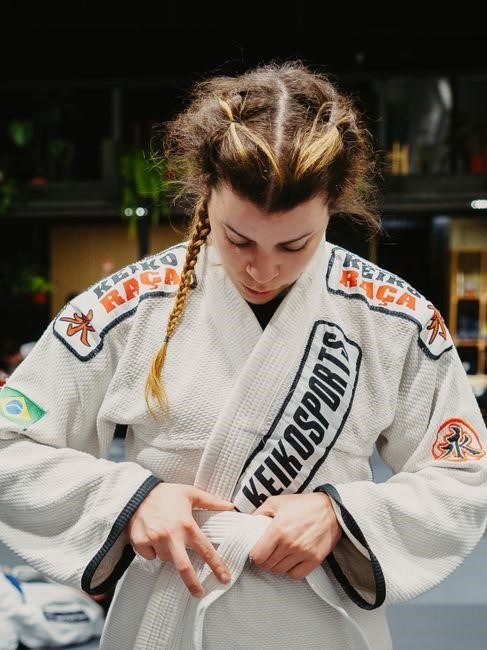
Measure from wrist bone to cuff. Ideal: 1.5–2 inches away. Too long (>3 inches) means size too big; avoid washing. Too short (<1.5 inches) means size too small; buy larger. Follow Sanabul guide for washing based on cuff distance. Keep cuffs within range for performance
Ideal Cuff Length for New Gi
When you first try on a new gi, the cuff should sit comfortably at the wrist. The ideal distance is roughly 1.5 to 2 inches from the wrist bone. To verify, stand upright, let the gi hang naturally, and observe the cuff. It should not touch the skin but should also not hang far past the wrist. If the cuff is right on the bone or slightly beyond, it will allow enough room for movement without dragging on the mat. This range ensures that the sleeve does not bunch up during grappling and that the fabric does not create excess friction. For precise measurement, use a flexible tape measure: place the tape at the wrist bone, extend it to the cuff seam, and record the length. A reading of 1.5–2 inches is optimal. If the cuff is more than 3 inches away, the gi is too large; do not wash or dry it until you order a smaller size. If the cuff is less than 1.5 inches from the bone, the gi is too tight; consider a larger size. For a new gi that falls within the ideal range, follow these care steps: machine wash in cold water on a gentle cycle, avoid bleach, and hang dry to preserve the cuff length. Do not use high heat or prolonged tumbling, as this can shrink the fabric and alter the cuff’s fit. By maintaining the cuff at the recommended distance, you’ll keep the gi functional, comfortable, and ready for training.
After washing, re‑measure the cuff. If it has shortened by more than an inch, consider replacing the gi or having a tailor adjust the sleeve. Some fighters prefer a longer cuff, but this is a choice. Keep the cuff within 1.5–2 inches now.
When the Cuff Is Too Long
If the cuff extends more than 3 inches past the wrist bone, the gi is too large. A long cuff can snag on gear, hinder movement, and create excess fabric that may catch during rolls. It also increases the risk of the sleeve pulling off or causing discomfort. To avoid these issues, do not wash or dry the gi until you order a smaller size. Instead, keep the garment in its original condition, and consider using a temporary cuff adjustment: fold the excess fabric under the wrist and secure it with a small safety pin or a piece of elastic. This can help you train without the cuff dragging. When you receive a new size, confirm the cuff length by measuring from the wrist bone to the cuff seam; the ideal distance is 1.5–2 inches. If the new cuff is still longer than this range, contact the retailer for a replacement or exchange. Proper cuff length enhances grip, reduces friction, and ensures the gi stays in place during intense grappling. Always check the cuff before each session to maintain optimal performance.
When the Cuff Is Too Short
When the cuff falls more than 2 inches short of the wrist bone, the gi is too small. A short cuff pulls on the wrist, restricts arm movement, and can cause discomfort. It also increases fabric catching on gear. Order a larger size. Measure from the wrist bone to the cuff seam; the cuff should sit at or slightly above the wrist bone, ideally within 1.5 inches. If the cuff remains too short, contact the retailer for an exchange. Avoid washing until you have the correct size to prevent further shrinkage. A properly sized cuff ensures a secure grip and keeps the gi in place. This adjustment ensures performance now!!
When a cuff is too short, it creates a tight band that pulls on the wrist during a takedown, causing discomfort. A snug cuff limits wrapping the sleeve around the opponent’s arm, reducing grip options. To mitigate, add a cuff extender or a small elastic bandage to increase length temporarily. However, this is only a stop‑gap; the best practice is ordering the correct size.
If the cuff remains too short after multiple washes, it may indicate shrinkage rather than sizing error. Consult the manufacturer’s care instructions or contact customer support for guidance. They can advise on a size upgrade or better fabric.
Fabric type matters. Cotton blends with more polyester shrink less, keeping cuff length stable. Pure cotton gis shrink more, making a cuff that was fine become short after washes. If you notice this, switch to a tighter weave or higher polyester content to keep sizing consistent!!!
Post-Purchase Care and Adjustments
Machine wash with cold water, hang dry. If cuff shrinks, switch to hot wash, high heat dry, then cold wash. If gi feels too small after washing, order a larger size. Avoid washing a too‑tight gi; it will shrink further. Keep fabric intact. Store in a dry place.
Machine Washing and Drying Recommendations
Follow these steps to maintain your gi’s shape and longevity. First, check the cuff length: if it sits on the wrist bone or within 1.5 inches before or after, use a gentle cycle. Place the gi in a mesh bag, set the machine to cold water, and select a delicate or hand‑wash setting. After the cycle, remove the gi promptly and hang it to dry flat or on a padded hanger; avoid the dryer to prevent shrinkage and distortion.
When the cuff extends 2–3 inches past the wrist bone, a hotter wash is acceptable. Use hot water and a normal cycle, then dry on high heat. Check the gi every ten minutes; once the cuff has shortened to the desired length, switch subsequent washes to cold water and hang dry to preserve the new size. This method balances cleaning power with fabric preservation.
If the cuff is more than 3 inches beyond the wrist bone, the fabric has likely stretched beyond its design limits. In this case, do not attempt washing or drying; instead, order a smaller size for a proper fit. Repeated washing of an oversized gi can further damage the material and compromise its performance. Always check the label for care instructions before washing now.
When to Order a Different Size

Deciding to reorder a different gi size hinges on a few clear indicators. If the jacket’s shoulders feel tight or the sleeves cut off the forearm, the garment is too small. A too‑tight gi can hinder movement and cause chafing, especially during intense drills. Conversely, if the jacket drapes loosely over the torso, the sleeves hang more than 3 inches past the wrist bone, or the pants are noticeably sagging, the size is too large. A loose fit not only looks unprofessional but can also compromise grip during competition. Additionally, check the cuff length: a cuff that sits more than 3 inches above the wrist bone signals an oversized gi, while a cuff that stops short of the wrist bone indicates a need for a larger cut. If the fabric feels stretched or the seams appear pulled, the gi has likely been stretched beyond its intended dimensions. In such cases, ordering a smaller size is advisable. Finally, consider the gi’s intended use; a gi meant for training often benefits from a slightly looser fit to accommodate sweat and movement, whereas a competition gi should be snug but not restrictive. If any of these conditions apply, placing an order for a different size will improve comfort, and durability.
Sizing is a personal choice; some fighters like a tighter gi for better grip, while others prefer a looser fit to avoid restriction. Try on the gi before ordering, and if between sizes, lean toward the larger one for room to grow and sweat absorption. A well‑fitted gi boosts confidenc on the mat. Stay confident and focus. always.